
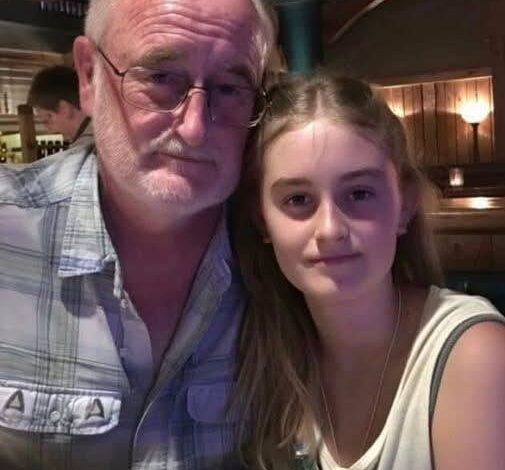
For years, our relationship was strained and distant. When I entered her mother’s life, my stepdaughter made it clear that she didn’t accept me, and the tension in the household was impossible to ignore. We kept our interactions brief and polite, each of us focused on our own path, never imagining that our lives would one day take such an unexpected turn.
Time changed everything. After her mother and I separated, our family structure legally ended, and years passed with little contact between us. When we eventually reconnected, it was as two independent adults, no longer bound by the roles we once had. Conversations that were once awkward slowly became open and honest, revealing how much we had both grown.
What surprised us most was the mutual respect that developed. We shared similar values, life goals, and experiences shaped by difficult pasts. Friends who knew our history were initially shocked, but they also saw that our connection was based on maturity, consent, and a clear legal separation from the past.
Today, we are married, aware that our story will raise eyebrows and spark debate. Still, we chose transparency and respect over secrecy. Our journey is not about provocation, but about how life can take unforeseen paths, and how people can change in ways no one expects.
The part of our history that draws the most attention is also the part we cannot pretend never existed. I had entered her life through a relationship with her mother. She had not welcomed that relationship, and the distance between us was real. Any account that skipped those years would make the later change appear simpler than it was.
Our reconnection happened years after that earlier household had ended. In telling the story, I see those years as important because they separate the circumstances in which we first knew each other from the circumstances in which we met again. We were describing our own experiences as independent adults, rather than trying to resume the family roles we once occupied.
Respect was the change I noticed before anything else. The old awkwardness had left little room for honest conversation. Later, conversation itself became the way we discovered shared values and goals. That does not erase our history, but it explains why I experienced the relationship differently from the tension I remembered.
Friends’ surprise was understandable. They knew the earlier arrangement and naturally saw the present through that memory. We could explain our perspective, but we could not require everyone to respond in the same way. Choosing transparency meant accepting that people might have questions or remain uncomfortable, rather than treating their reactions as something we could control.
The supplied story describes consent and a clear separation from the past as essential to the relationship. Those are the terms in which we understand our choices. It is a personal account of this particular sequence of events, rather than a general statement about every family relationship or the laws that might apply elsewhere. Our experience does not remove the need to consider another situation on its own facts.
Today, the marriage is the point from which I look back on all those changes. The strained interactions, the years apart, and the later conversations are all part of the same history. I do not expect the story to stop raising eyebrows. I only want to tell it without disguising the difficult parts or pretending that an unexpected outcome made the past disappear. For us, honesty about that history remains part of treating each other with respect.