
A six-year-old girl found herself in an unexpected situation when her mother became seriously ill at home while caring for her newborn twin brothers. Unsure what to do and worried about her family, the young girl made a decision that eventually brought emergency assistance to their home.
According to the story, the girl’s mother had been experiencing health problems after giving birth. Before her condition worsened, she reportedly wrote a short note explaining where important documents could be found and asking that her newborn children remain together. The note also contained information intended to help someone understand the family’s situation.
At home, the girl noticed that her mother was not responding as usual. The twins also needed attention, and there was no other adult immediately available to help. Although she was only six years old, she recognized that something was wrong and that her family needed assistance.
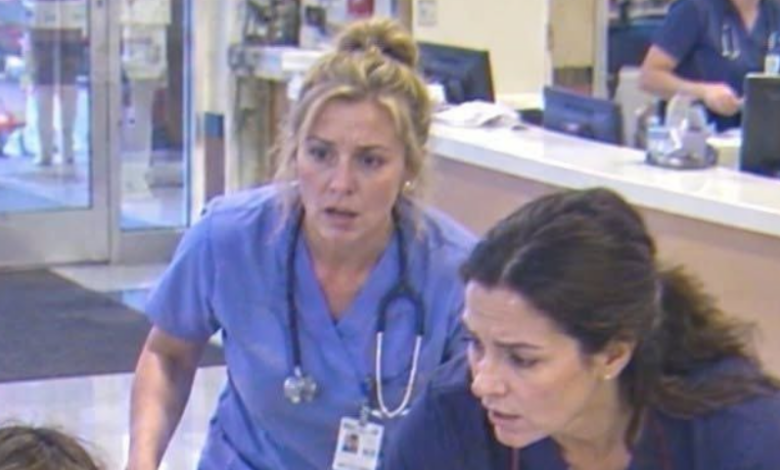
The girl eventually placed her twin brothers in a wheelbarrow and made her way toward a nearby emergency department. The journey was difficult for someone so young, but she continued until she reached people who could help. Her arrival quickly drew the attention of medical staff, who recognized the urgency of the situation.
Emergency personnel listened carefully as the girl explained what had happened. She told them about her mother, the babies, and the situation at home. Her information helped the responders understand where they needed to go and what assistance the family required.
The emergency team returned to the house and found the mother in need of medical attention. They began providing assistance and arranged for her to be taken to a hospital. The newborn twins were also brought under medical supervision so that their condition could be assessed.
At the hospital, doctors and nurses focused on caring for all three family members. The mother received treatment, while the babies were monitored and given the support appropriate for newborns. Medical staff also made sure the older girl had a safe place to wait and that a responsible adult could remain with her.
Initially, the girl was anxious about her mother. She repeatedly asked hospital staff whether the medical team had found her and whether she would recover. A nurse reassured her that her mother was receiving care and that the babies were also being looked after.
The girl gradually began to relax as the adults explained what was happening. Staff members offered her water, food, and a comfortable place to sit. They understood that she had experienced a confusing and stressful situation and needed reassurance as well as practical support.
The twins required careful observation, particularly because newborns need regular feeding, warmth, and medical attention. The hospital team monitored both babies and kept them together whenever their care arrangements allowed.
As the medical team continued its work, hospital staff also began planning for the family’s needs after discharge. They considered which relatives or trusted adults could provide assistance, how the children would be cared for, and what support the mother might need while recovering.
These arrangements were important because the family needed more than immediate medical treatment. They also needed a reliable support system that would help prevent the same situation from happening again.
When the mother’s condition improved enough for a brief visit, the girl was allowed to see her. She approached the hospital bed cautiously before moving closer to her mother. The reunion gave both of them an opportunity to be together after a frightening experience.
The mother learned how her daughter had sought help and how the emergency team had found the family. She was relieved to know that the children were receiving care. The experience also highlighted the importance of making sure young children know how to contact a trusted adult or emergency services when something serious happens.
As the days passed, the mother continued recovering, and the twins received ongoing care. Relatives and hospital staff helped organize practical arrangements for the family’s return home. The older girl was encouraged to enjoy age-appropriate activities rather than feel responsible for caring for her younger brothers.
Her experience demonstrated why children should have access to dependable adults and why families benefit from preparing for unexpected emergencies. Young children may recognize when something is wrong, but they should never be expected to manage a medical crisis or take responsibility for the safety of an entire household.
Once the family was ready to return home, the adults established a plan for regular assistance, medical follow-up, and childcare. They also made sure emergency contact information was easy to find and that trusted people could respond if the mother needed additional help.
Eventually, the household began returning to its usual routine. The twins continued growing, the mother regained her strength, and the family once again enjoyed ordinary moments together.
The wheelbarrow that had played an unexpected role in the emergency was eventually used for gardening. One afternoon, the girl placed gardening supplies inside and asked her mother whether she could use it in the yard.
This time, the wheelbarrow carried soil and gardening tools. Her mother watched as she pushed it across the grass, a simple activity that reflected how different an ordinary day could feel after a difficult experience.
The family’s story offers a meaningful reminder about preparedness, community assistance, and the importance of supporting parents and children during challenging circumstances. It also shows why emergency plans should include reliable contacts, access to medical care, and practical arrangements for children.
Most importantly, the girl deserved the chance to return to being a child. Although her decision helped bring assistance to her family, responsibility for their safety belonged with the adults and professionals who could provide appropriate care.
With medical support and a stronger network of trusted people around them, the family could focus on recovery and building a safer, more stable routine together.